The oldest continuously wealthy corner of China
The Yangtze delta is the oldest continuously wealthy corner of China, and it spent that wealth on gardens. Twelve days trace the classic circuit through it — Shanghai at one end and Hangzhou at the other, with Suzhou, Wuxi, Yangzhou, Nanjing and two water towns in between.
You will see two UNESCO World Heritage gardens, cruise a canal begun twenty-five centuries ago, ride a train at 300 kilometres an hour, and walk a lit water town after the day visitors have gone. Everything is arranged: flights from Rio, an English-speaking guide throughout, and absolutely no forced shopping.
- Day 3 morning: health screen at Xinhua / Renji Hospital (仁济医院) — the reason the rest of the day starts after lunch
- Seven cities, one loop — Shanghai, Suzhou, Wuxi, Yangzhou, Nanjing, Hangzhou and the water towns of Wuzhen and Xitang
- Two World Heritage gardens: Humble Administrator's Garden (Suzhou, from 1509) and Slender West Lake (Yangzhou); plus a cruise on the Grand Canal
- China at three speeds: 300 km/h rail, a Huangpu night cruise, and a wooden boat through Wuzhen
The tour at a glance
| Destination | East China — Shanghai · Jiangsu · Zhejiang |
|---|---|
| Duration | 12 Days |
| Route | Rio de Janeiro → Dubai → Shanghai → Suzhou → Wuxi → Yangzhou → Nanjing → Hangzhou → Wuzhen → Xitang → Shanghai |
| Type | Classic Circuit · Gardens & Water Towns · UNESCO World Heritage · Escorted Group |
| Ideal for | First-time visitors to China · Couples and friends · Travellers who prefer everything arranged |
| Group size | 20 guests in 10 twin rooms |
| Guiding | English-speaking guide throughout |
| Departure | 22 October – 2 November (fixed departure) |
| Program fee | $4,300 (includes Xinhua / Renji Hospital health screen, Day 3) |
Itinerary overview
Day 01 · 22 October · Rio de Janeiro → Dubai
DAY 01Assemble and depart for China
The tour begins at the airport. EK248 leaves Rio de Janeiro at 03:30, so in practice you will be at the terminal late on the evening of the 21st rather than on the morning of the 22nd — worth knowing when you plan the day before.
The flight reaches Dubai at 00:30 the following night, and the connection to Shanghai leaves in the small hours after it.
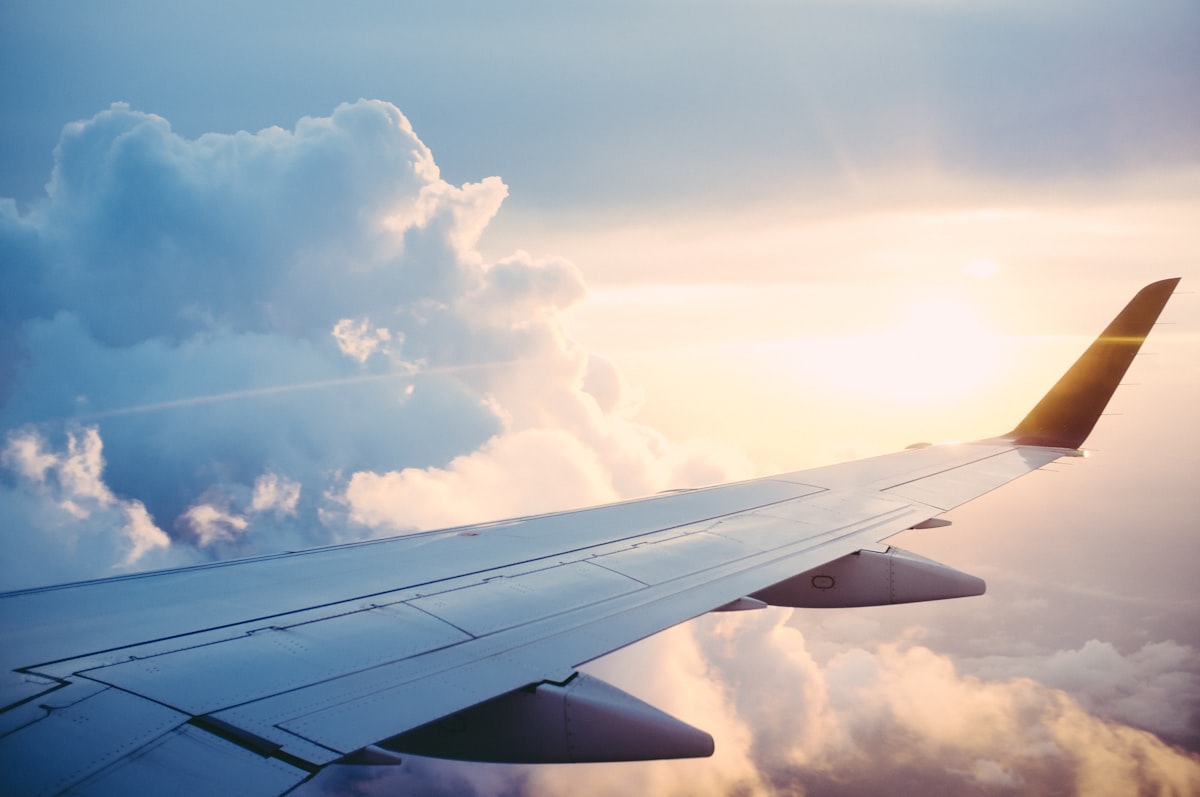
Shanghai runs eleven hours ahead of Brasília. Two overnight flights and a short connection will leave you tired; the itinerary is built with a light first afternoon in Shanghai for exactly that reason.
—
On board
Day 02 · 23 October · Dubai → Shanghai Pudong
DAY 02Arrive Shanghai
EK302 lands at Shanghai Pudong at 15:30. You are met in the arrivals hall and taken into the city by private coach — about an hour, depending on the traffic on the elevated roads, which at that time of day is considerable.
The hotel stands on the Huangpu in the middle of the city, which means the rest of the afternoon is genuinely free rather than nominally free: the river is at the door.
A welcome dinner in the evening, and then an early night — the fastest way through eleven hours of time difference.
Expect somewhere between 15 and 22°C, humid, with a fair chance of rain. It is the best month of the year here — the summer heat has broken and the winter damp has not arrived. Bring a light jacket and something waterproof.
Dinner
Ocean Hotel Shanghai
Day 03 · 24 October · Shanghai
DAY 03Shanghai — the medical centre, and then the city
The morning is given to the health check at the medical centre — around three hours, and the reason the rest of the day starts after lunch.
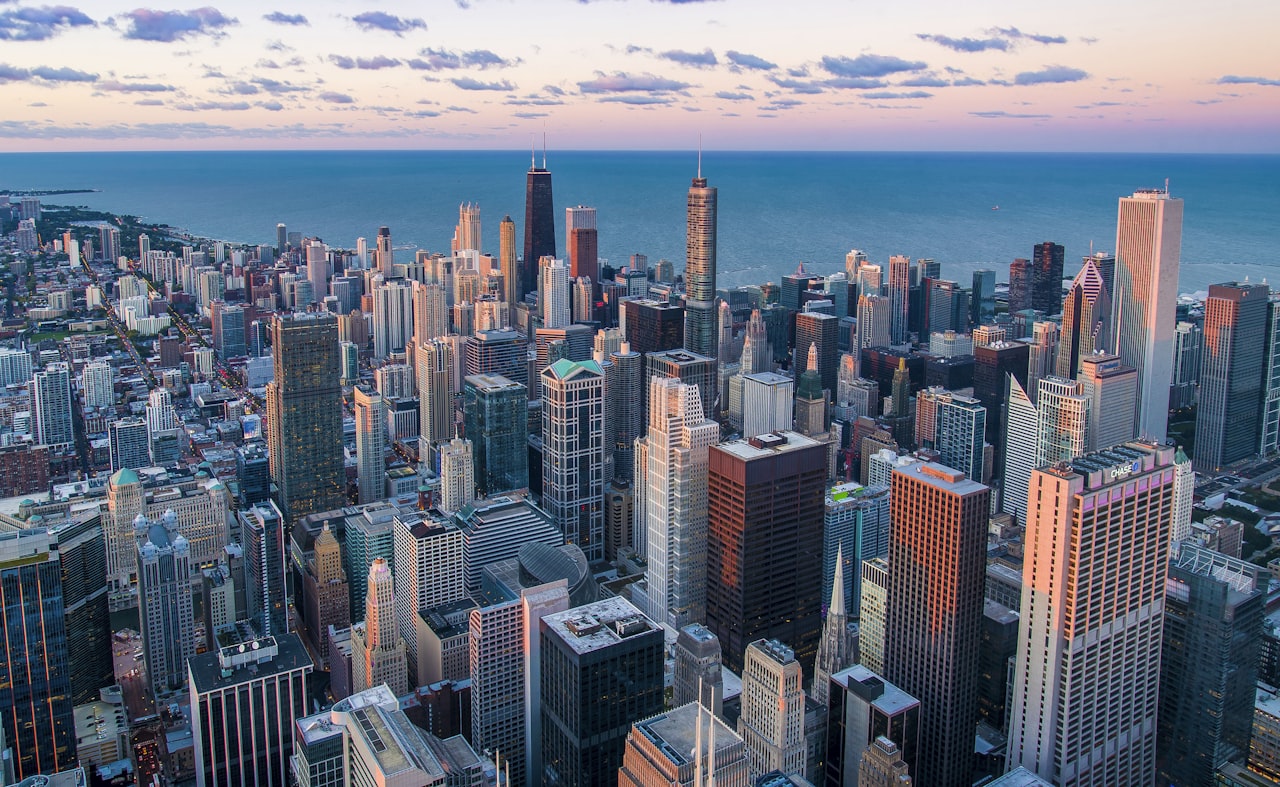
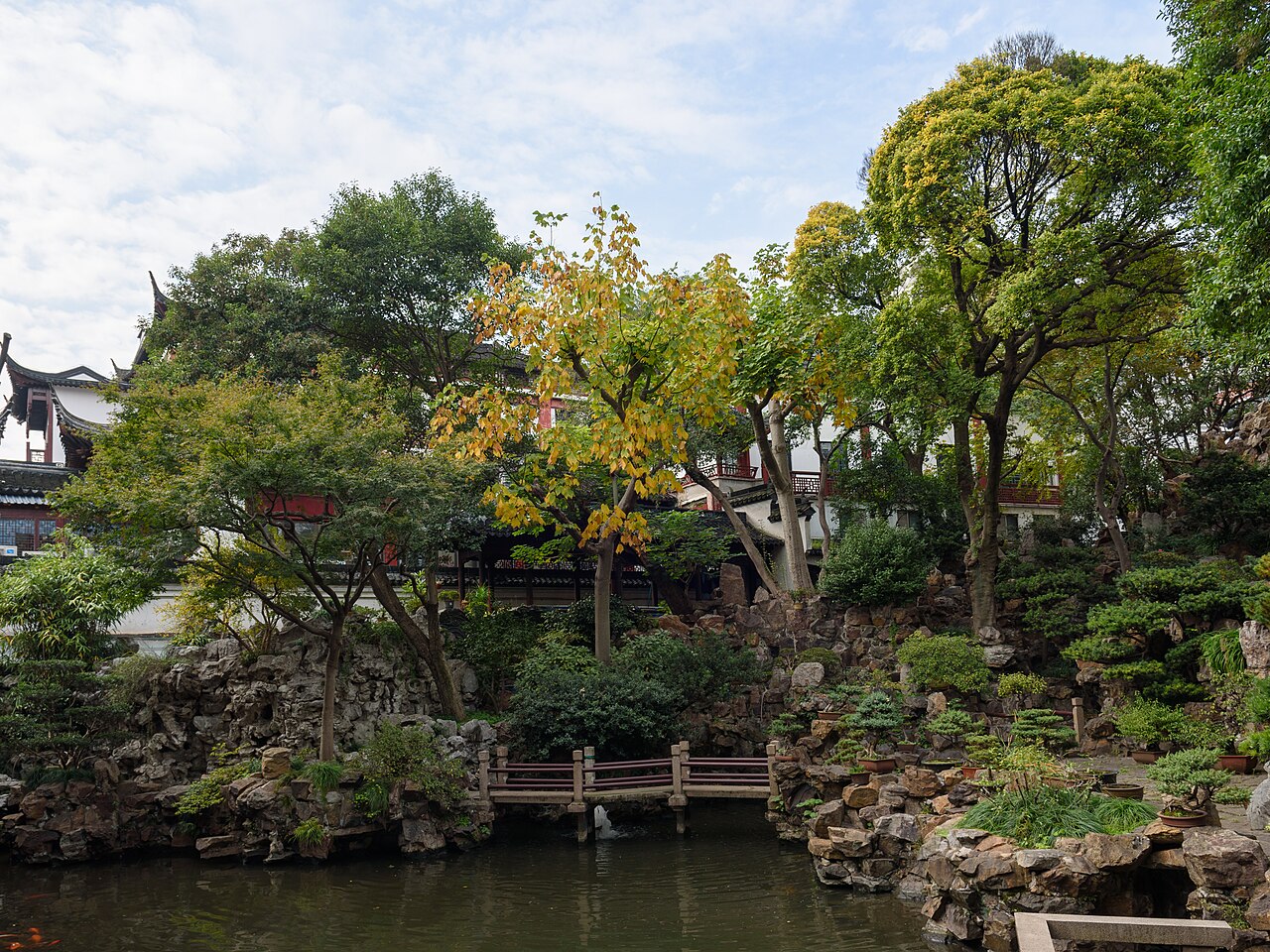
The afternoon is Shanghai in one loop. The Oriental Pearl Tower first, for the view that explains the city’s geography better than any map; then the City God Temple and the Yu Garden bazaar packed around it, where Shanghai looked like this before 1990.
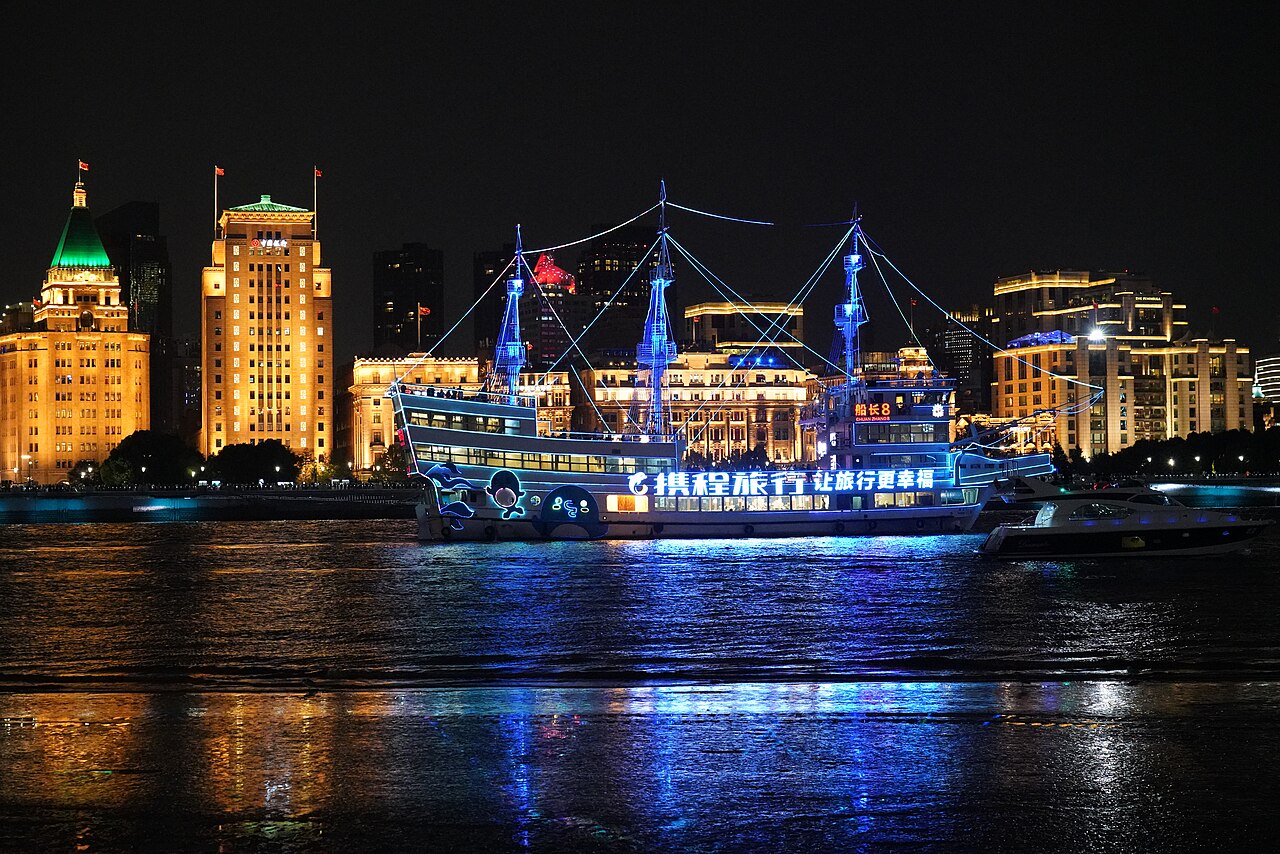
Then the Bund — a kilometre and a half of banks, trading houses and hotels put up between 1890 and 1930, when this was the financial capital of Asia — and Nanjing Road East, the shopping street running inland from it.
In the evening, a cruise on the Huangpu. It is the only way to see both banks at once: the stone waterfront of the 1920s on one side, the towers of Pudong on the other, and ninety years between them.
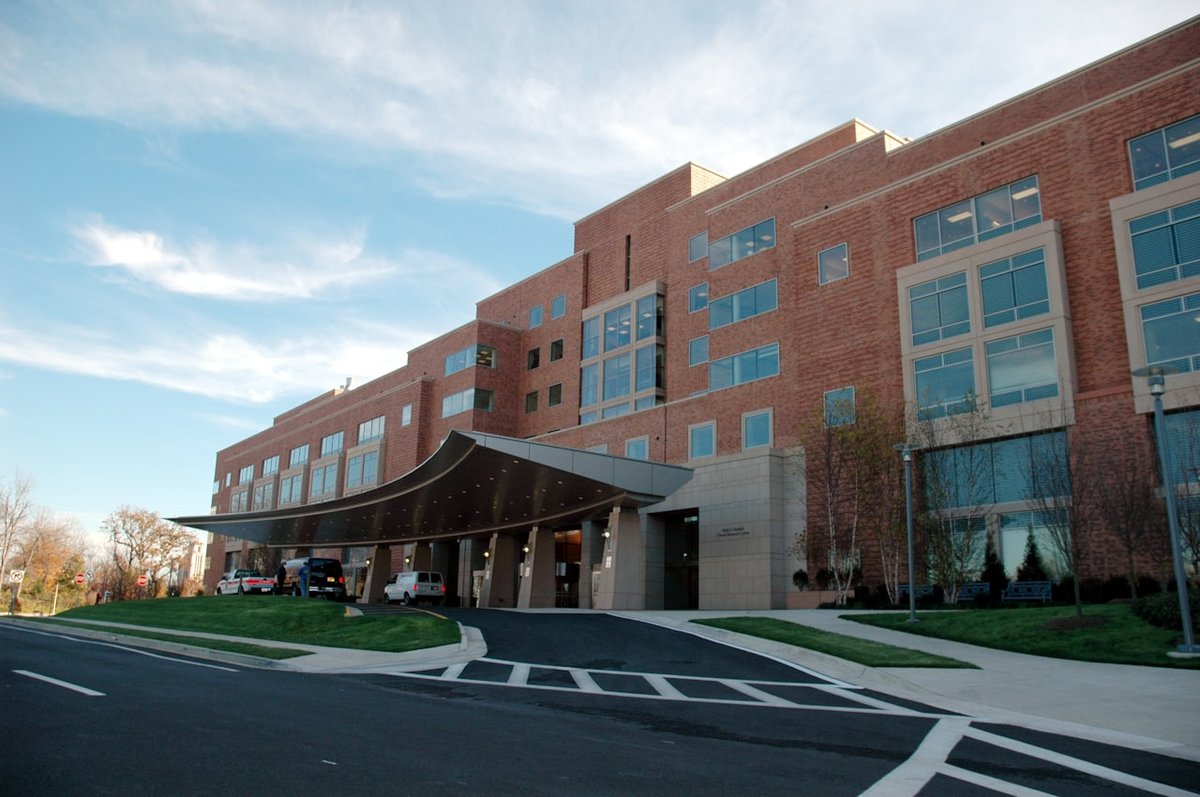
The medical centre session runs approximately three hours. Full details are supplied separately.
Lunch, dinner
Ocean Hotel Shanghai
Day 04 · 25 October · Shanghai → Suzhou
DAY 04Shanghai to Suzhou — gardens and canals
An hour and a half west to Suzhou, a city that has been rich, cultured and slightly smug about both for a thousand years.
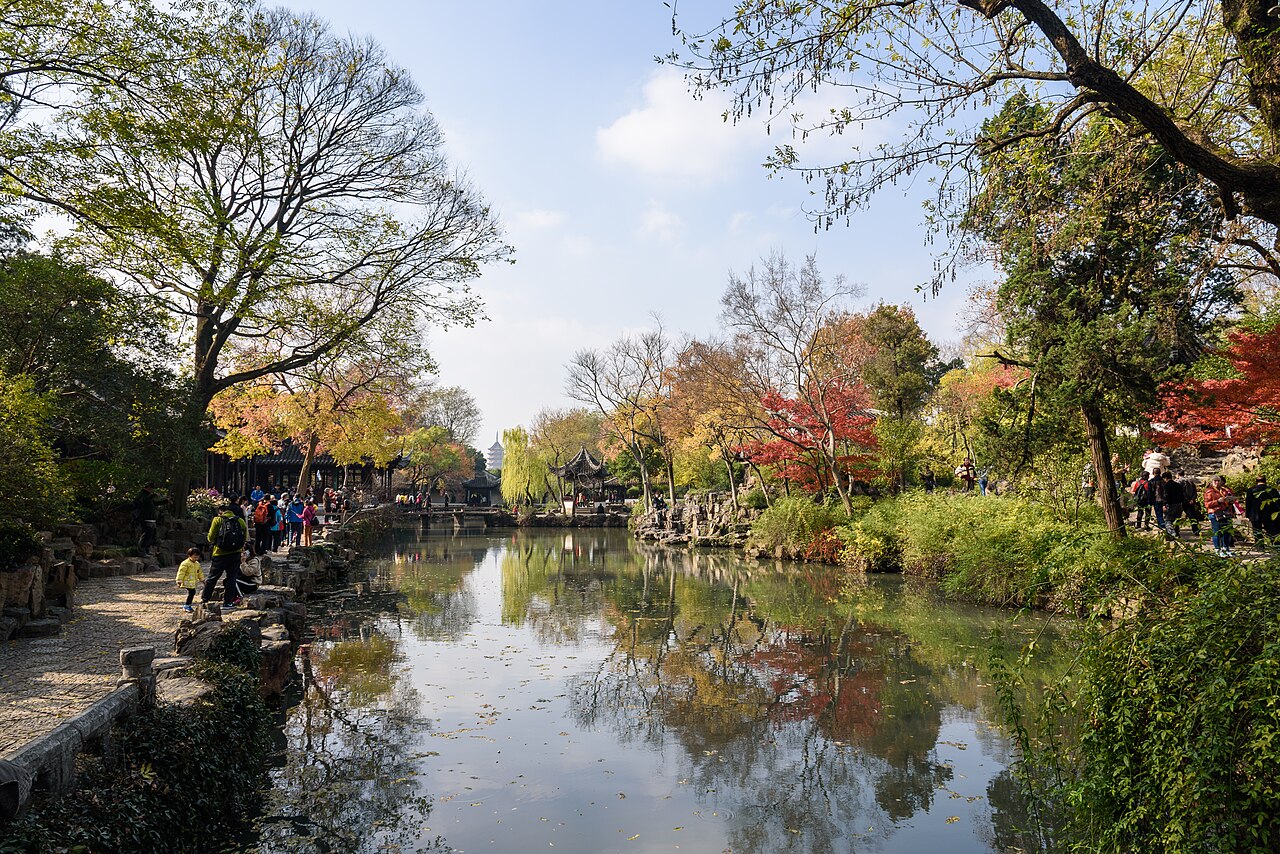
The morning is the Humble Administrator’s Garden — the largest of the classical gardens, laid out from 1509 by a retired official who named it, with some irony, after an essay about a man unfit for public office. Water covers a third of it. That is the whole idea: everything is arranged so that you never see all of it at once.
After lunch the Suzhou Museum — I. M. Pei’s last building, designed in his eighties for the city his family came from, and a deliberate modern answer to the gardens next door. Then Shantang Street, a canal and a street running side by side since the ninth century, and a cruise on the Grand Canal itself.
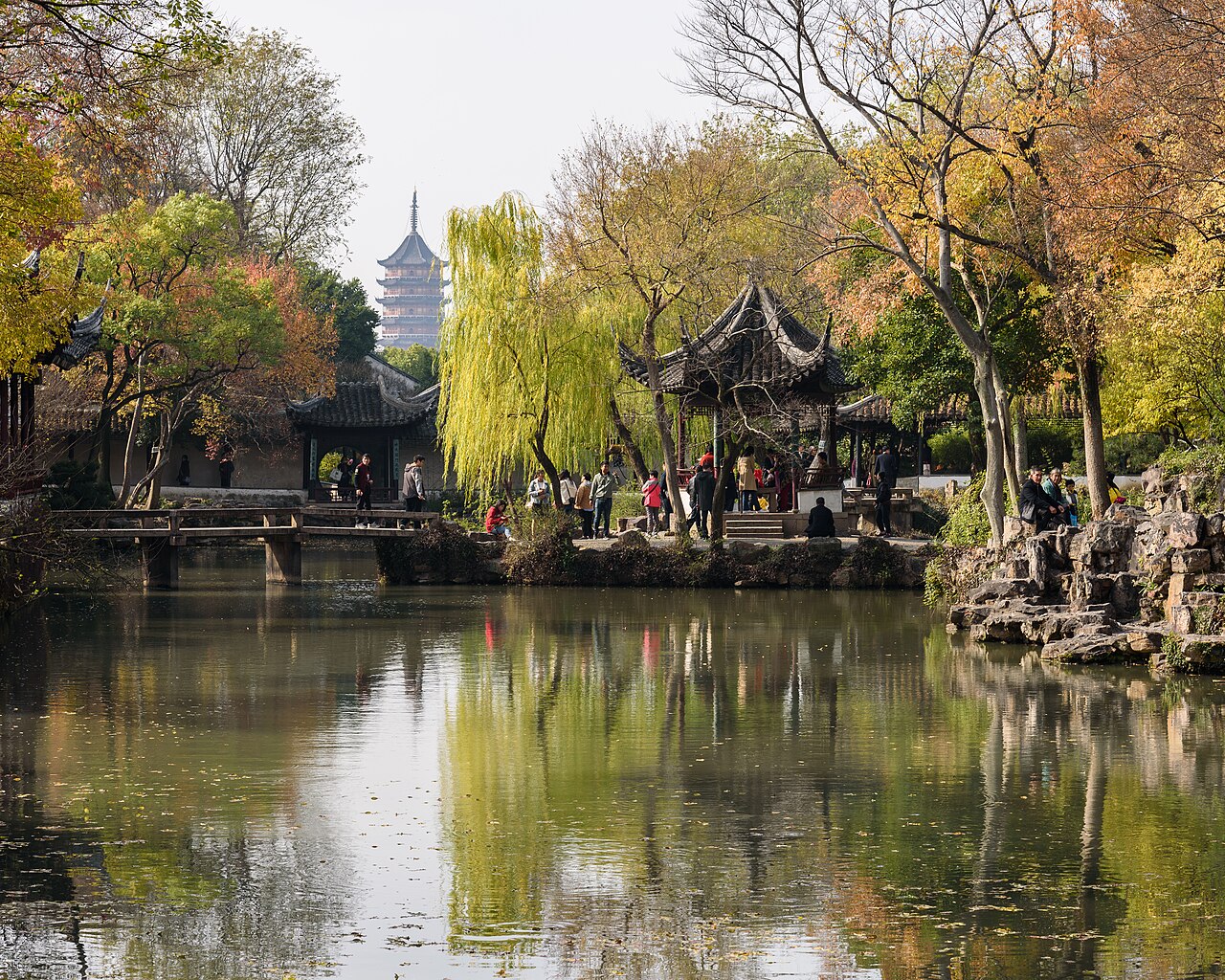
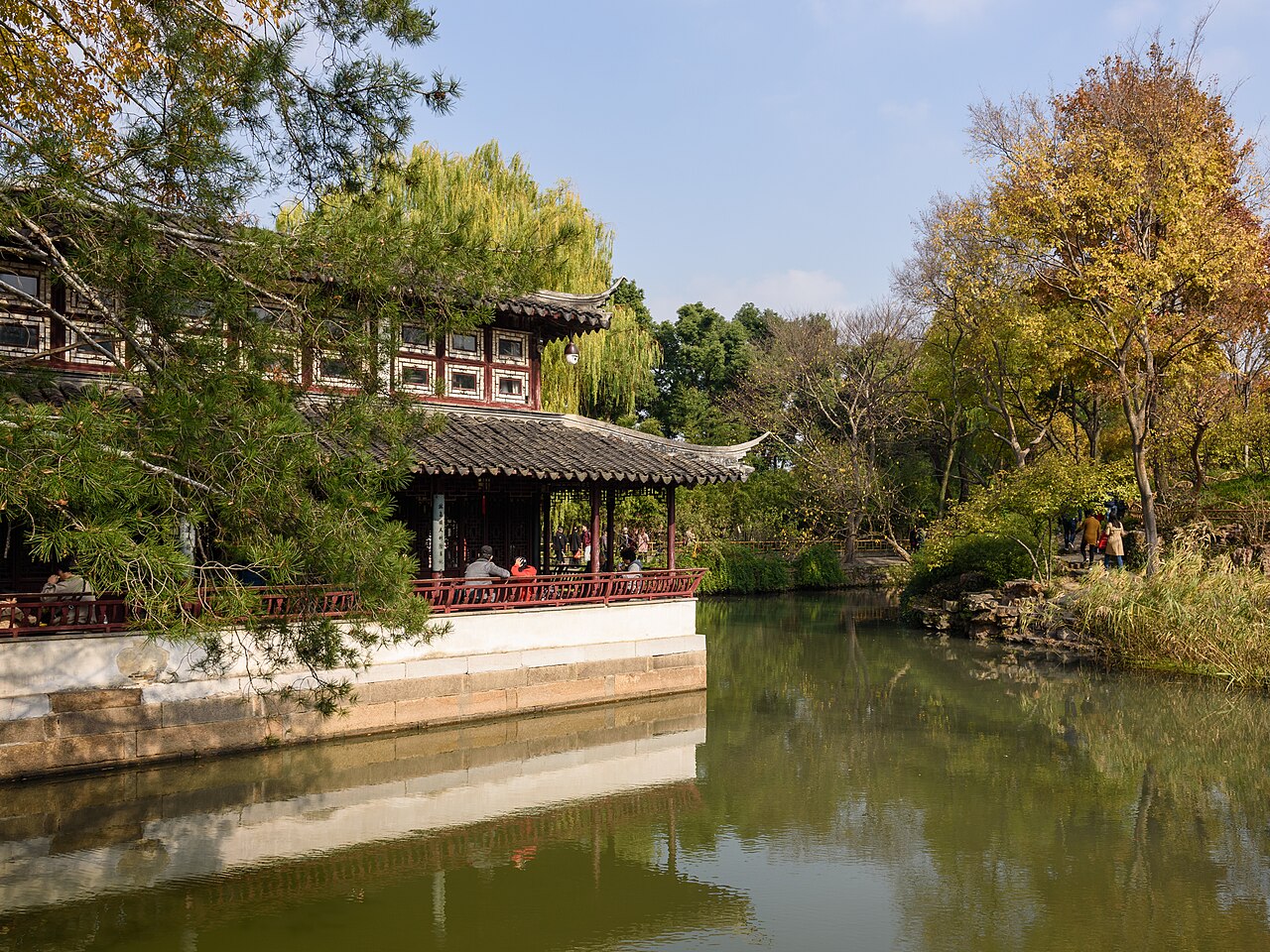
Late October and November are when the Suzhou gardens were designed to be seen — maple and ginkgo turning against white walls and grey tile, which is exactly the palette the builders had in mind. The crowds also thin after the October holiday.
Breakfast, lunch, dinner
Lizhen Villa, Shantang Street
Day 05 · 26 October · Suzhou → Wuxi
DAY 05Suzhou to Wuxi — the Grand Buddha and a night at Nianhuawan
The morning is Three Kingdoms City on the shore of Lake Tai — built in 1994 as the set for the television adaptation of one of the four great Chinese novels, and kept afterwards as a park. It is a film set, and it is honest about being one.
The afternoon belongs to the Lingshan Grand Buddha: 88 metres of bronze, cast in the 1990s and standing over the lake, one of the tallest statues in the world. The scale only registers when you are at the foot of it.
Below it lies Nianhuawan, a Buddhist resort town built in Tang-dynasty style — timber, water, lanterns — and tonight you stay inside it. Most groups photograph the Buddha and drive on; staying means you get the town in the evening, when it is lit and quiet.
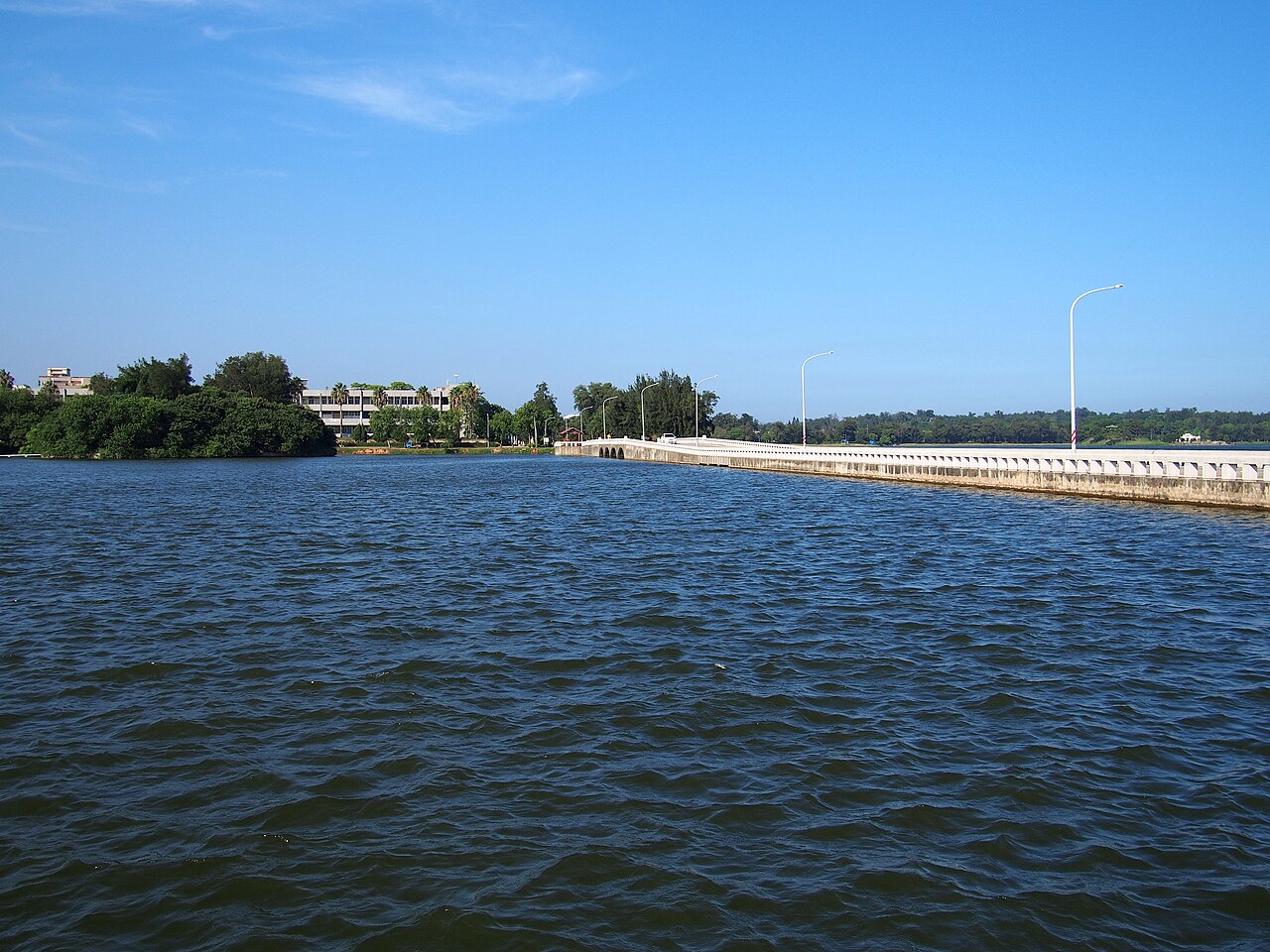
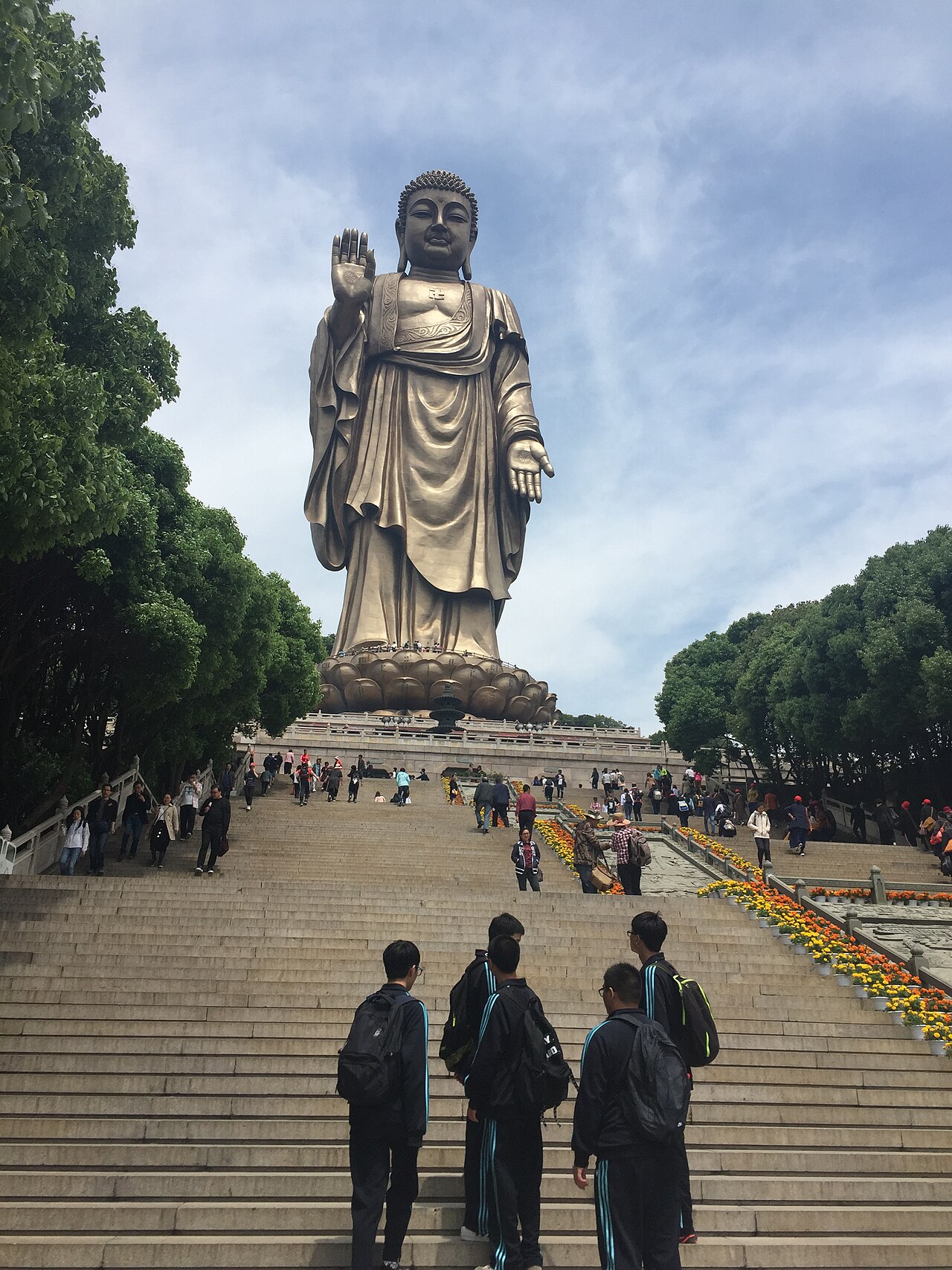
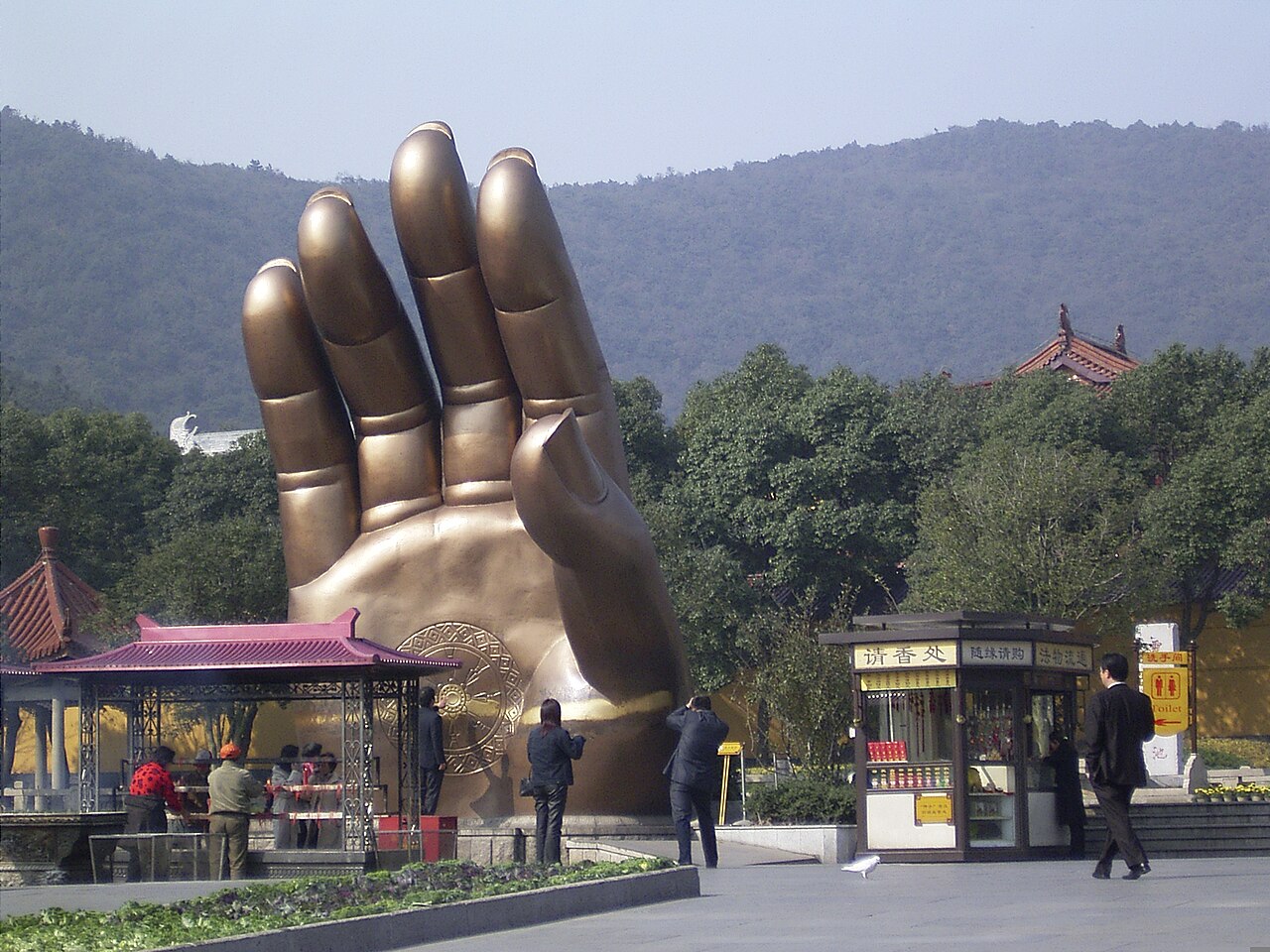
The lake is at its clearest in late autumn, and the evening at Nianhuawan is cool enough to want a jacket but not cold. Lantern-lighting is at dusk, around 17:30 at this time of year.
Breakfast, lunch, dinner
Nianhuawan Inn
Day 06 · 27 October · Wuxi → Yangzhou
DAY 06Wuxi to Yangzhou — Daming Temple, Slender West Lake, and a hot spring
North across the Yangtze to Yangzhou, a city that was the wealthiest in China when it controlled the salt trade, and has been quietly declining and enjoying itself ever since.
Daming Temple in the morning — founded in the fifth century, and the monastery of Jianzhen, the monk who tried five times to cross to Japan, went blind in the attempt, succeeded on the sixth in 753, and founded a school of Buddhism there that survives today.
The afternoon is Slender West Lake, which is not a lake at all but a landscaped stretch of canal, narrow and deliberately so — the salt merchants built the gardens along it to impress an emperor who was known to be coming.
The evening is a hot spring in the hotel’s Chinese garden baths. It falls halfway through the tour, which is not an accident.
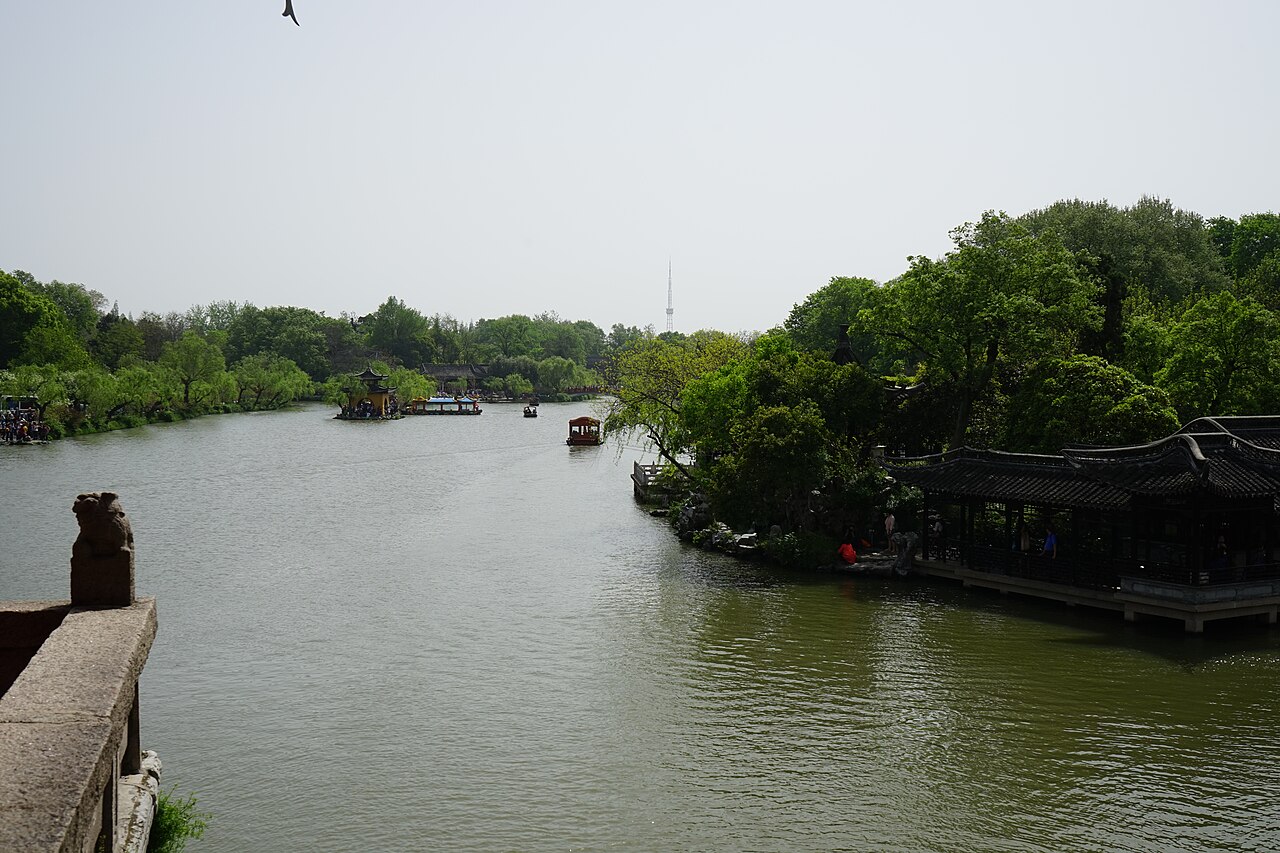
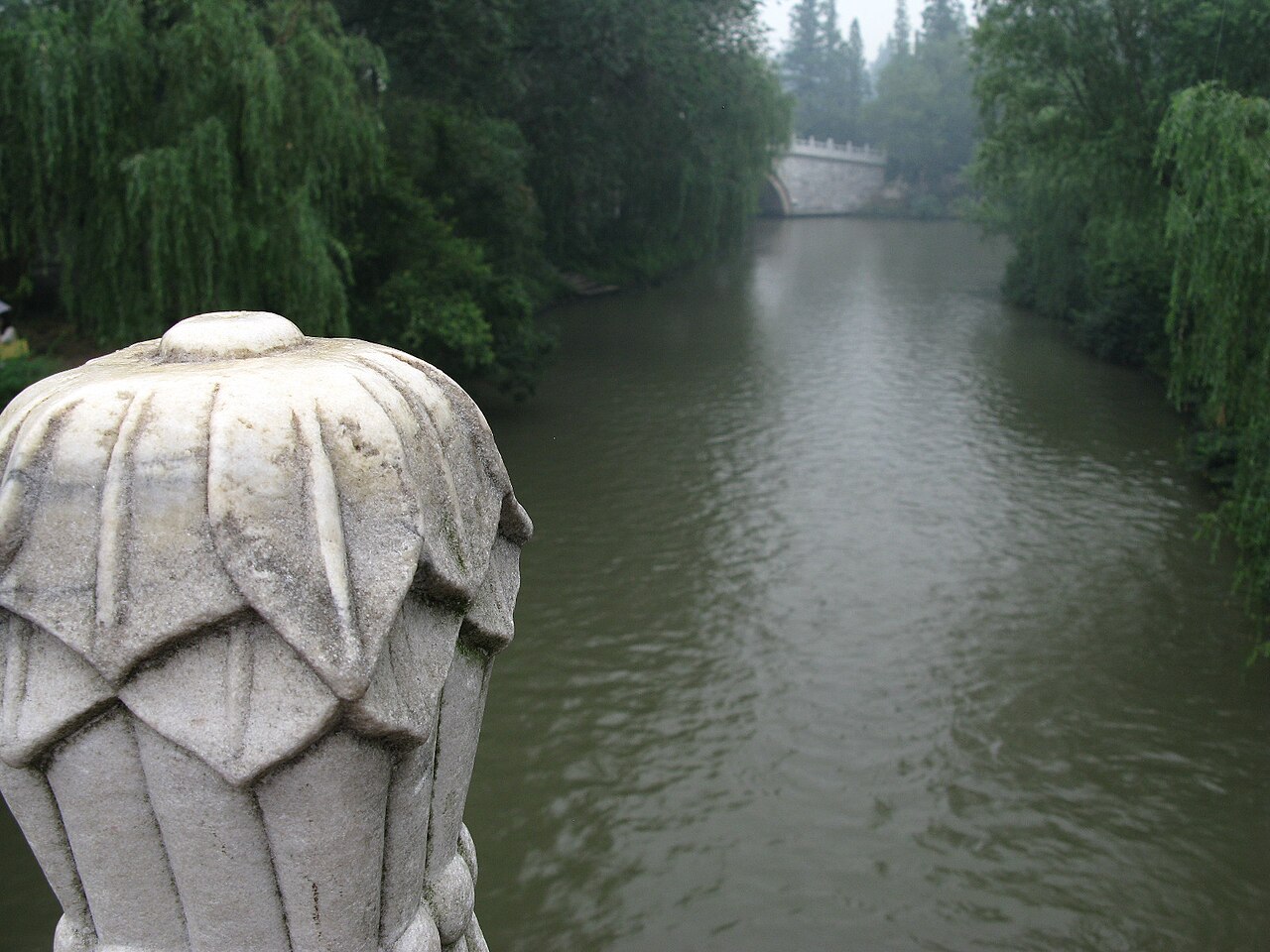
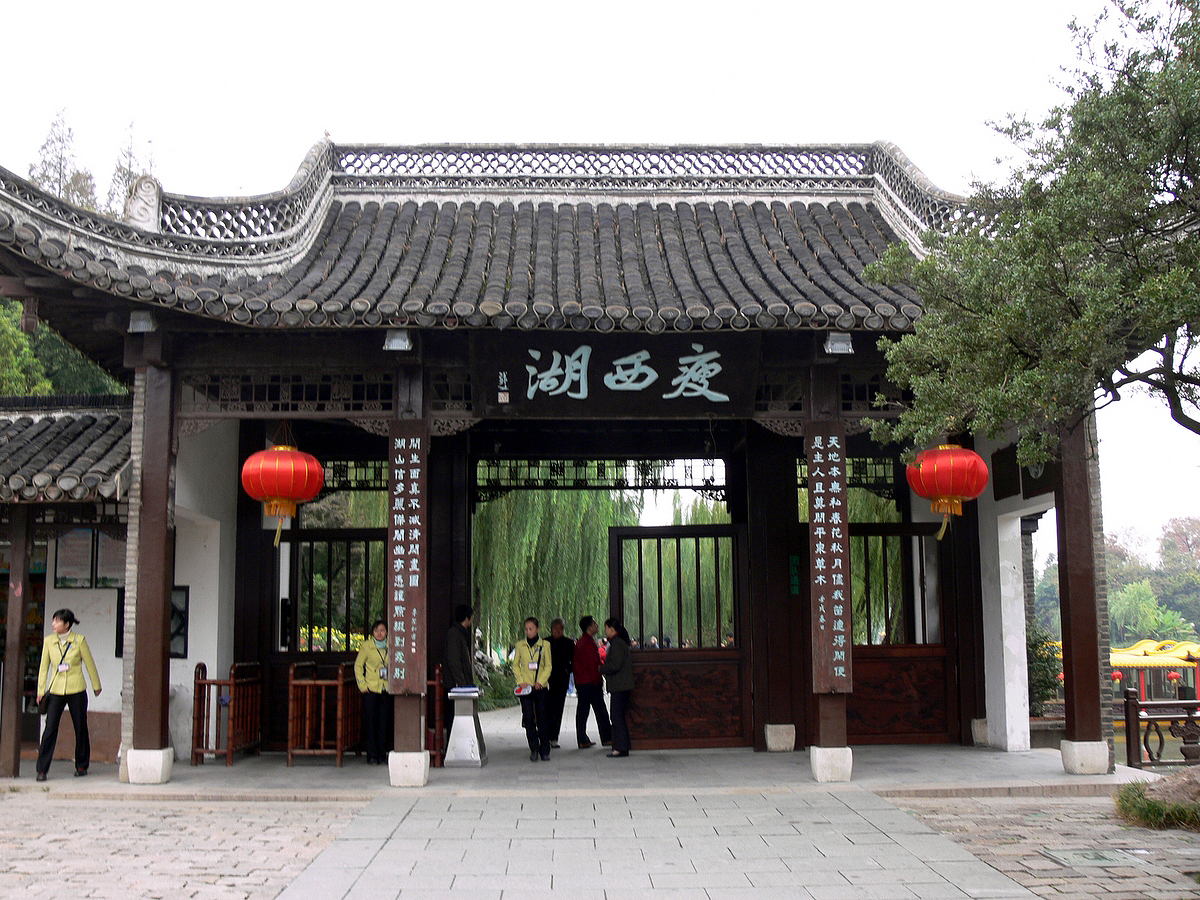
Late October is when a hot spring outdoors stops being an idea and becomes a pleasure — cool enough in the evening air to make the water worth getting into, warm enough that walking between pools is no hardship.
Breakfast, lunch, dinner
Slender West Lake Hot Spring Resort
Day 07 · 28 October · Yangzhou → Nanjing
DAY 07Yangzhou to Nanjing — mausoleum, mountain and the Qinhuai by night
Nanjing was the capital of China six separate times, and it wears all six.
The morning is the Sun Yat-sen Mausoleum on Purple Mountain — 392 steps up to the tomb of the man both Beijing and Taipei still call the founder of modern China, which makes it one of the very few places either would agree about.
The afternoon is Niushou Mountain, where a relic of the Buddha’s skull, rediscovered in 2008, is kept in a domed palace built inside a worked-out quarry. It is the most ambitious piece of religious architecture built in China this century and almost nobody outside the country has heard of it.
In the evening the Confucius Temple quarter along the Qinhuai River, lit and crowded the way it has been since the Ming, when this was where the examination candidates came to sit the imperial exams — and where they went afterwards.
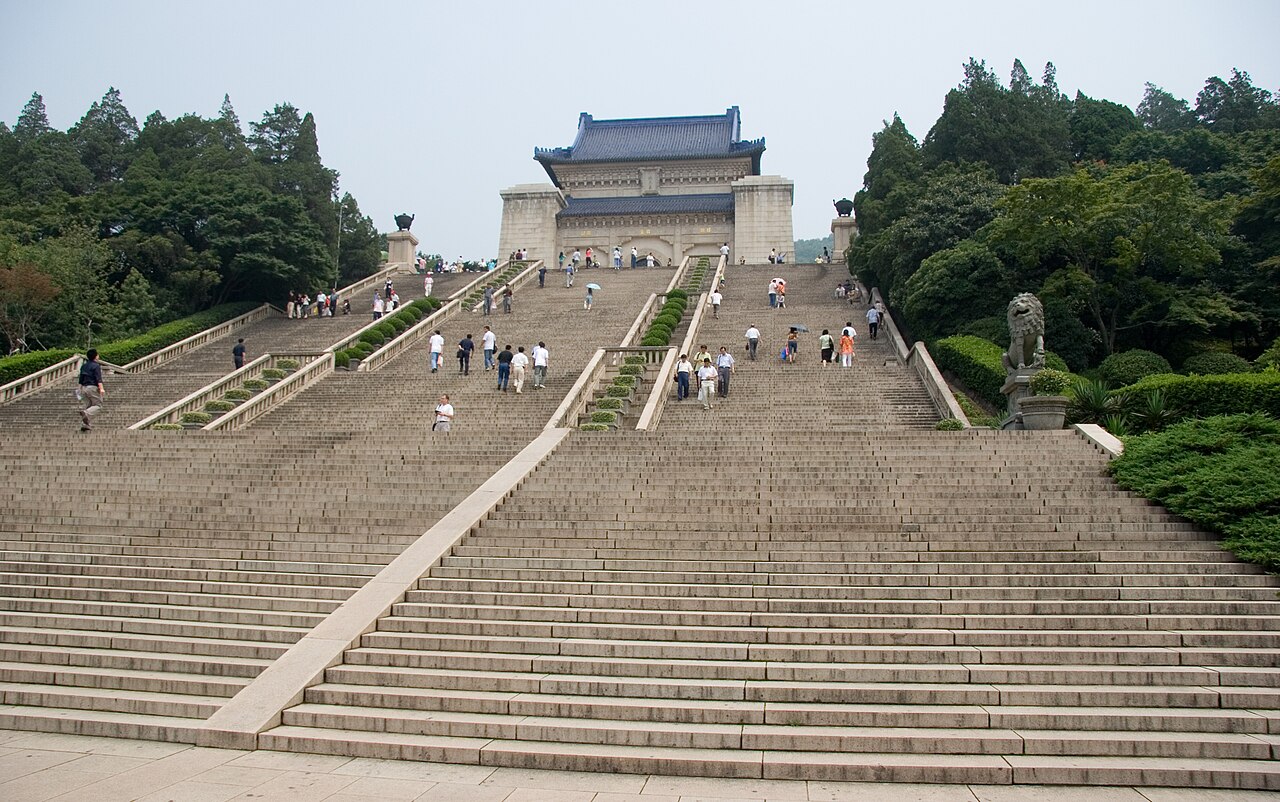
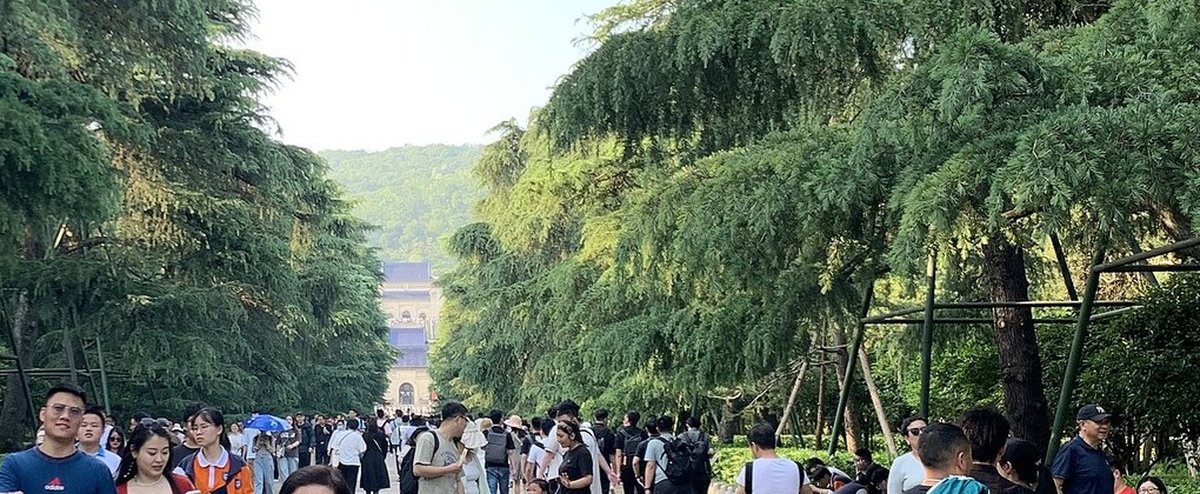
The avenue up to the mausoleum is planted with plane and ginkgo, and by the end of October it is turning. Purple Mountain in autumn is the reason locals go, quite apart from the history.
Breakfast, lunch
Novotel Nanjing Xuanwu Suning
Day 08 · 29 October · Nanjing → Hangzhou
DAY 08Nanjing to Hangzhou by high-speed rail — West Lake and Songcheng
The morning is a high-speed train at 300 kilometres an hour. For most visitors this ends up being one of the things they remember longest about China, well after the gardens have blurred together.
The afternoon is West Lake — a UNESCO World Heritage cultural landscape, which is a rarer designation than it sounds: the lake is listed not for its scenery but because a thousand years of Chinese painting and poetry took their idea of beauty from it. The Leifeng Pagoda stands above the southern shore, rebuilt in 2002 over the ruins of the one that collapsed in 1924.
At 19:00, Romance of the Song Dynasty at Songcheng — a large-scale stage production of the city’s history, and one of the most-watched shows in the country.
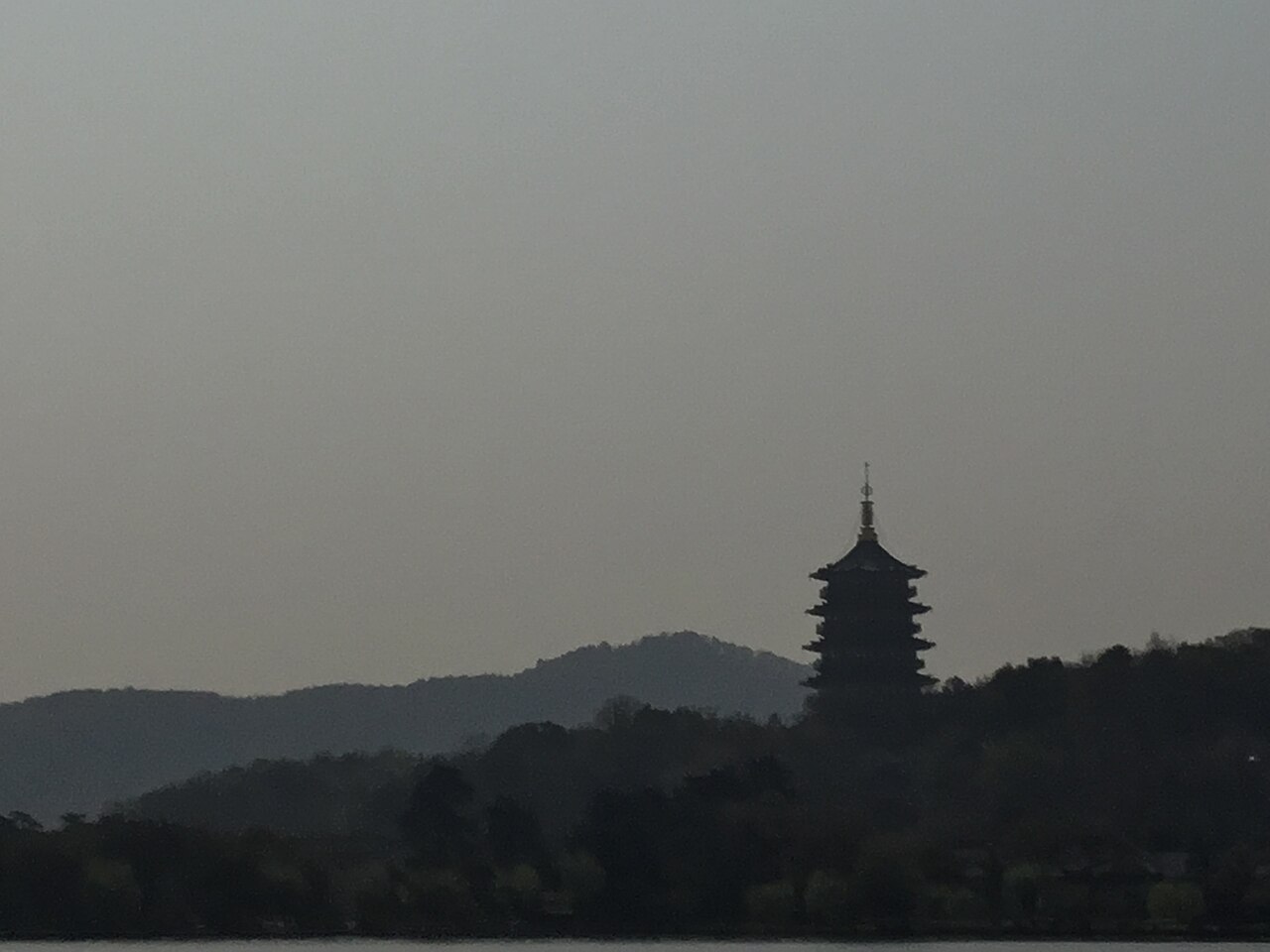
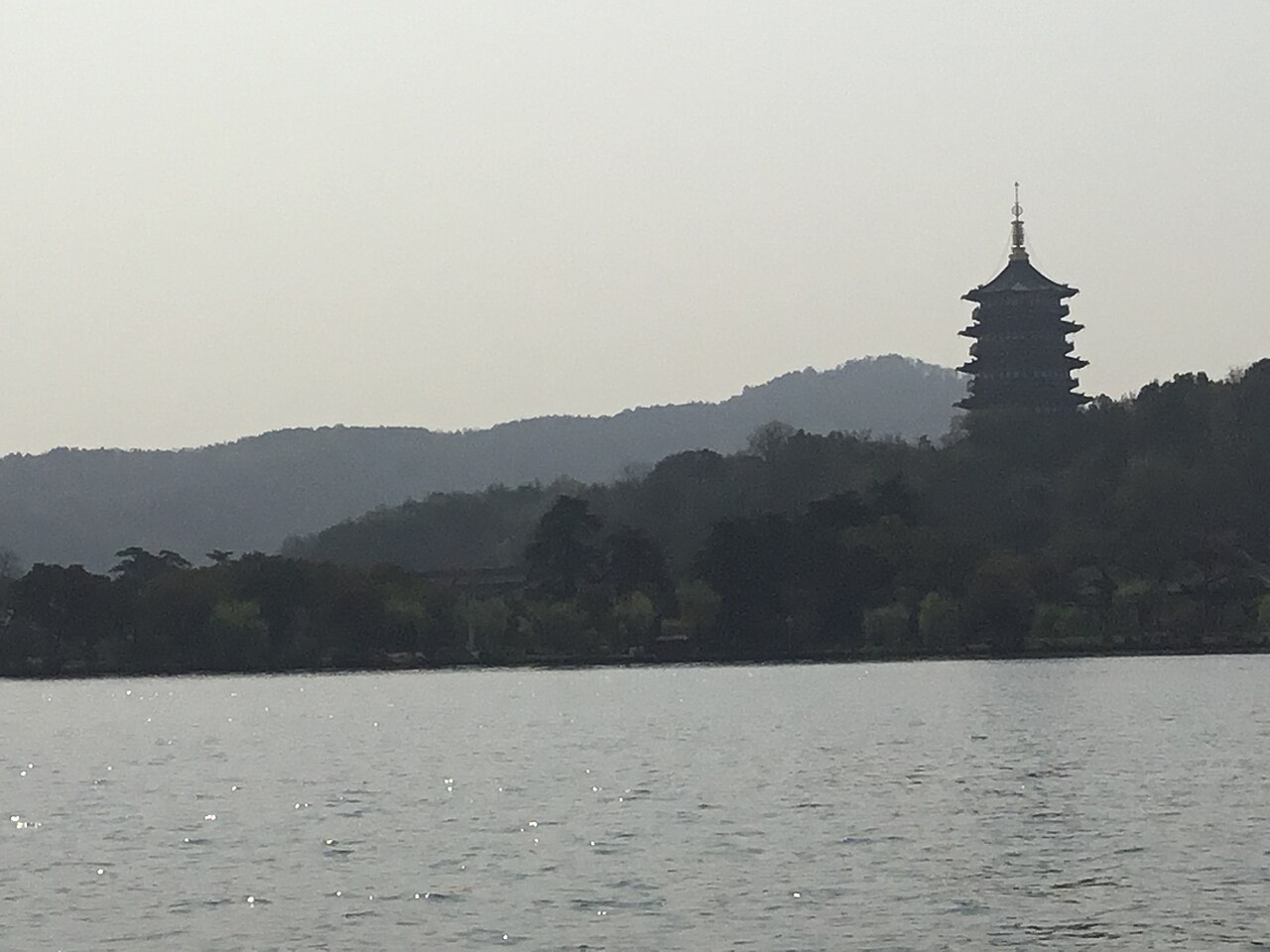
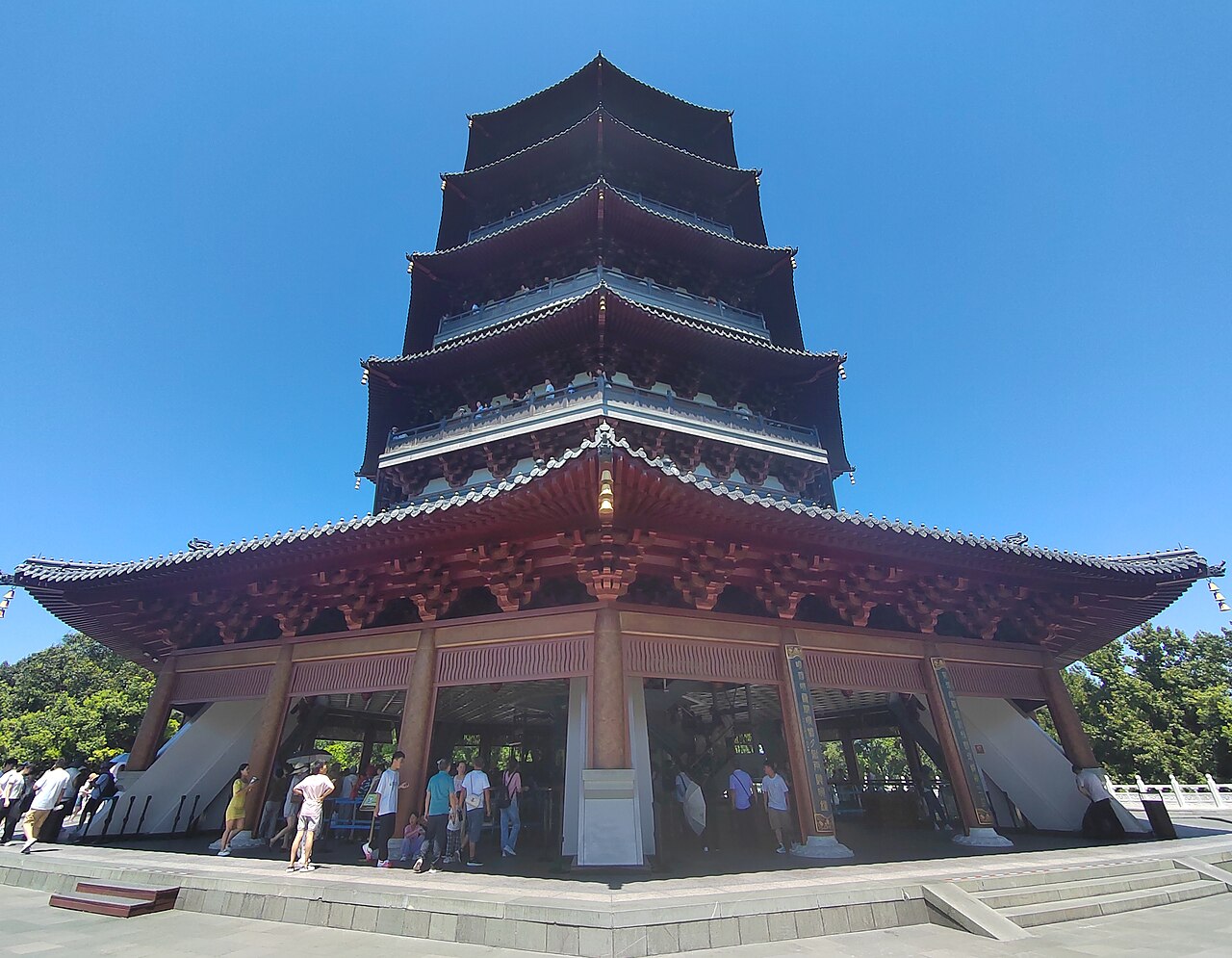
Hangzhou’s osmanthus flowers in late September and early October and scents the entire city; by your dates it is just over, but the lake in late autumn is at its calmest and the light on it is the reason painters kept coming back.
Breakfast, lunch
Radisson Blu Hangzhou Qiantang
Day 09 · 30 October · Hangzhou → Wuzhen → Xitang
DAY 09Hangzhou to Wuzhen — and Xitang after dark
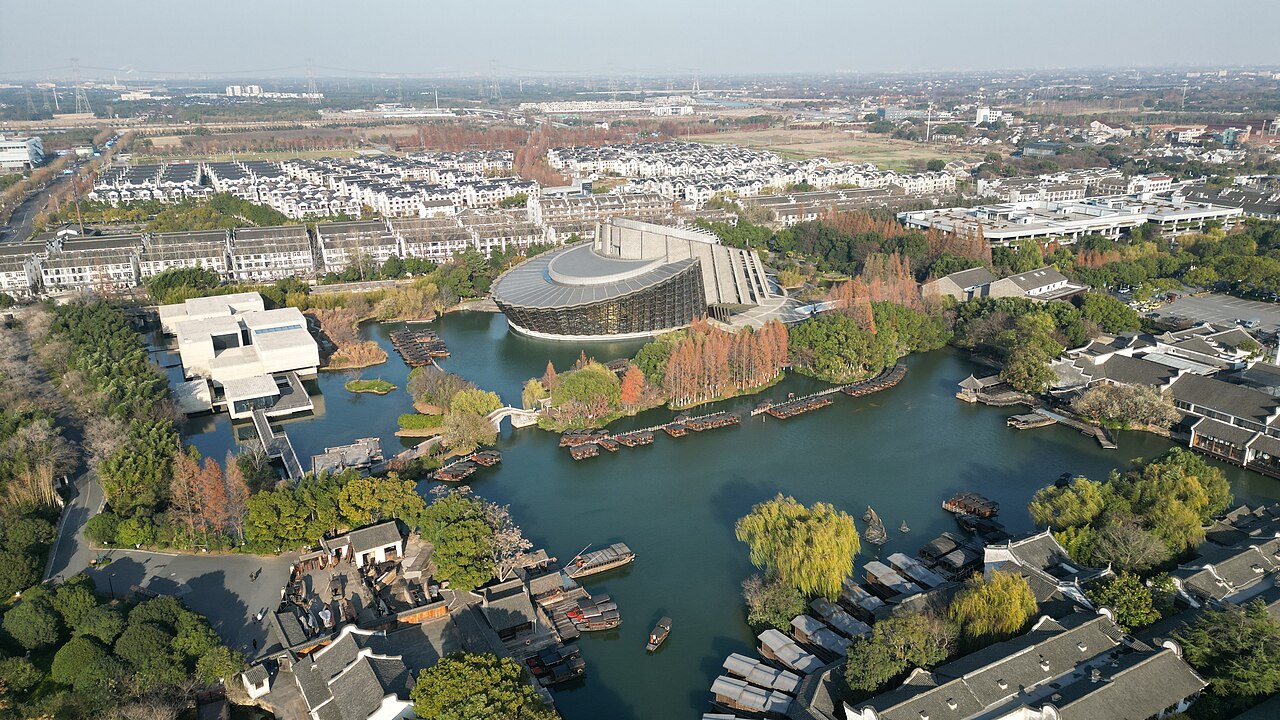
North to Tongxiang and Wuzhen, the best preserved of the delta water towns.
The afternoon is the East Scenic Zone — the lived-in half, where the workshops are still working: indigo cloth hung out to dry in the yards, rice wine fermenting, wood being carved. It is a town that was restored rather than rebuilt, and the difference shows.
In the evening, on to Xitang Ancient Town — a second water town about an hour away, and the one to see at night. Nine rivers meet here, and more than a kilometre of covered riverside walkway runs along the water so that the town can be walked in the rain. After dark the lanterns come on under the eaves and the whole thing doubles in the canal.
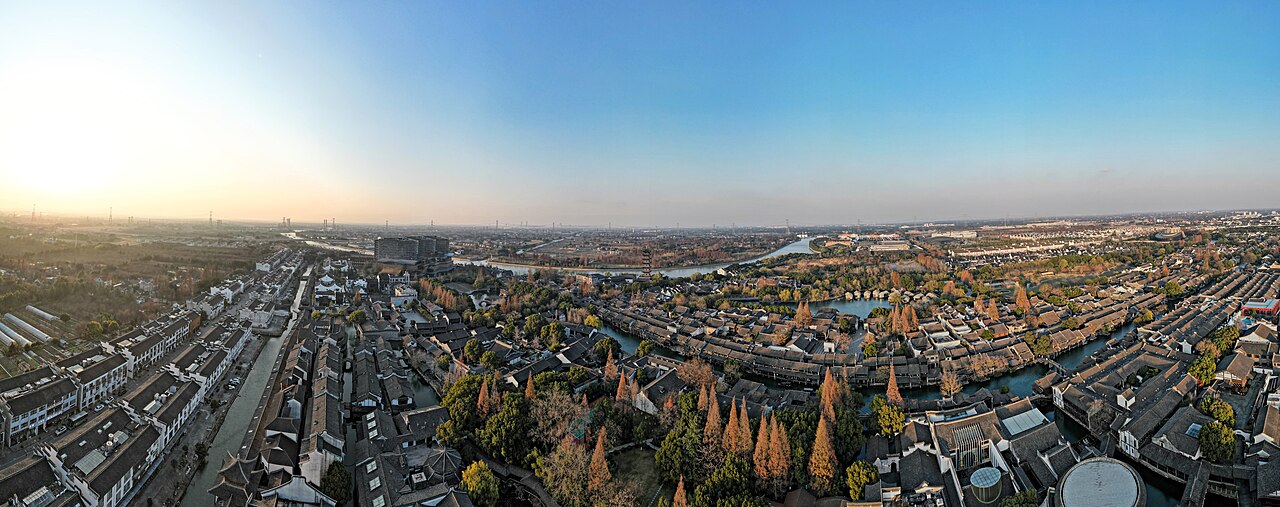
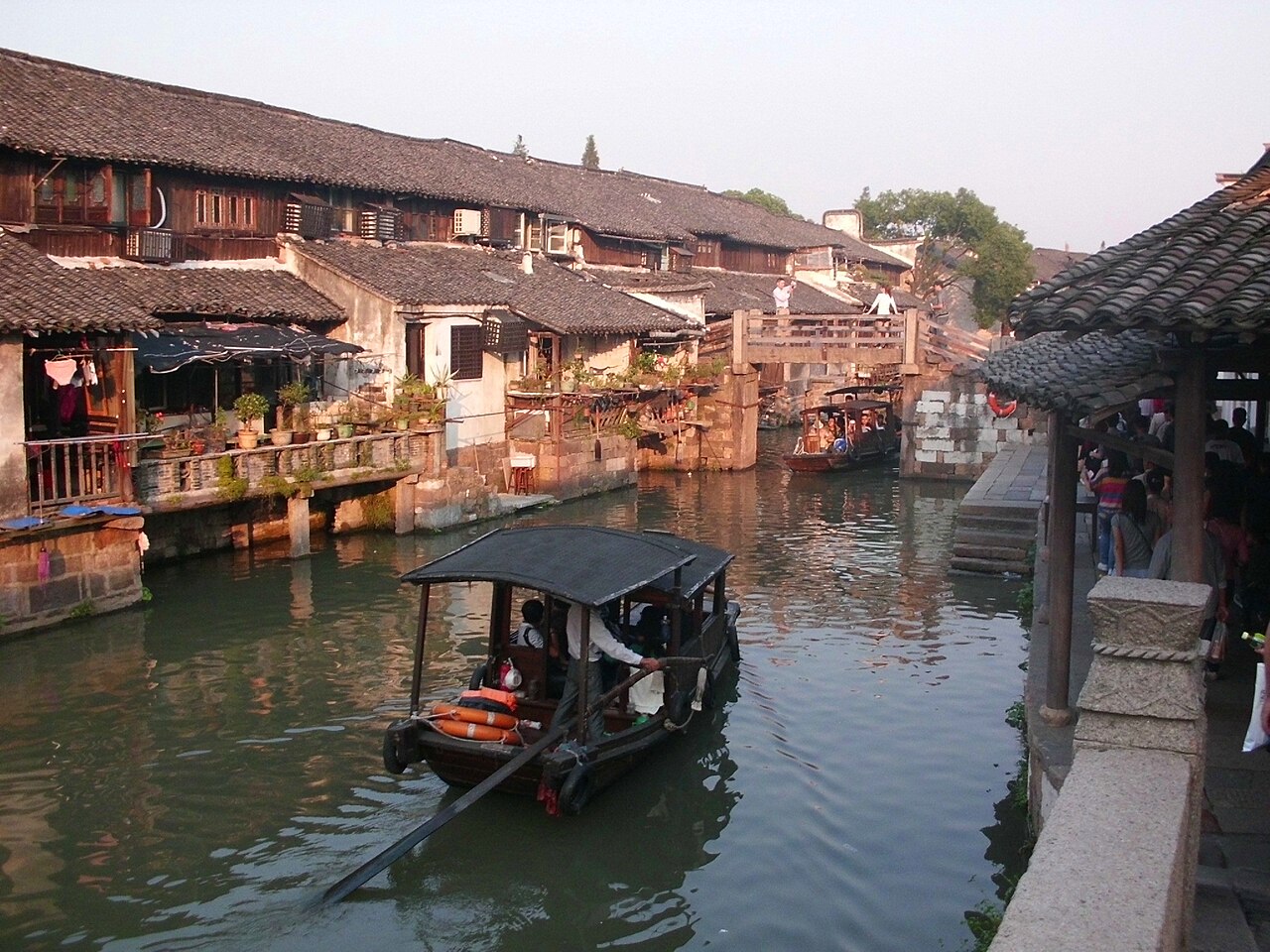
Late autumn in the delta brings a good deal of drizzle, and the water towns are better for it — the stone darkens, the crowds thin, and Xitang’s covered walkways turn out to have been built for exactly this weather. Bring an umbrella rather than hoping.
Breakfast, lunch, dinner
Crowne Plaza Wuzhen
Day 10 · 31 October · Wuzhen → Shanghai
DAY 10Wuzhen to Shanghai — silk, jade, and a free afternoon
The morning is the Silk Museum and the Treasure Experience Hall — how a cocoon becomes thread and thread becomes cloth, and how jade and pearl are cut and set. The delta has been the centre of Chinese silk production for two thousand years, so this is local industry rather than a diversion.
Both have a retail area attached, and it is worth being plain about that: there is absolutely no forced shopping on this tour. No minimum spend, no pressure, no obligation of any kind. Buy something if you want to and nothing if you do not.
The afternoon returns to Shanghai, with free time at a shopping centre before the evening.
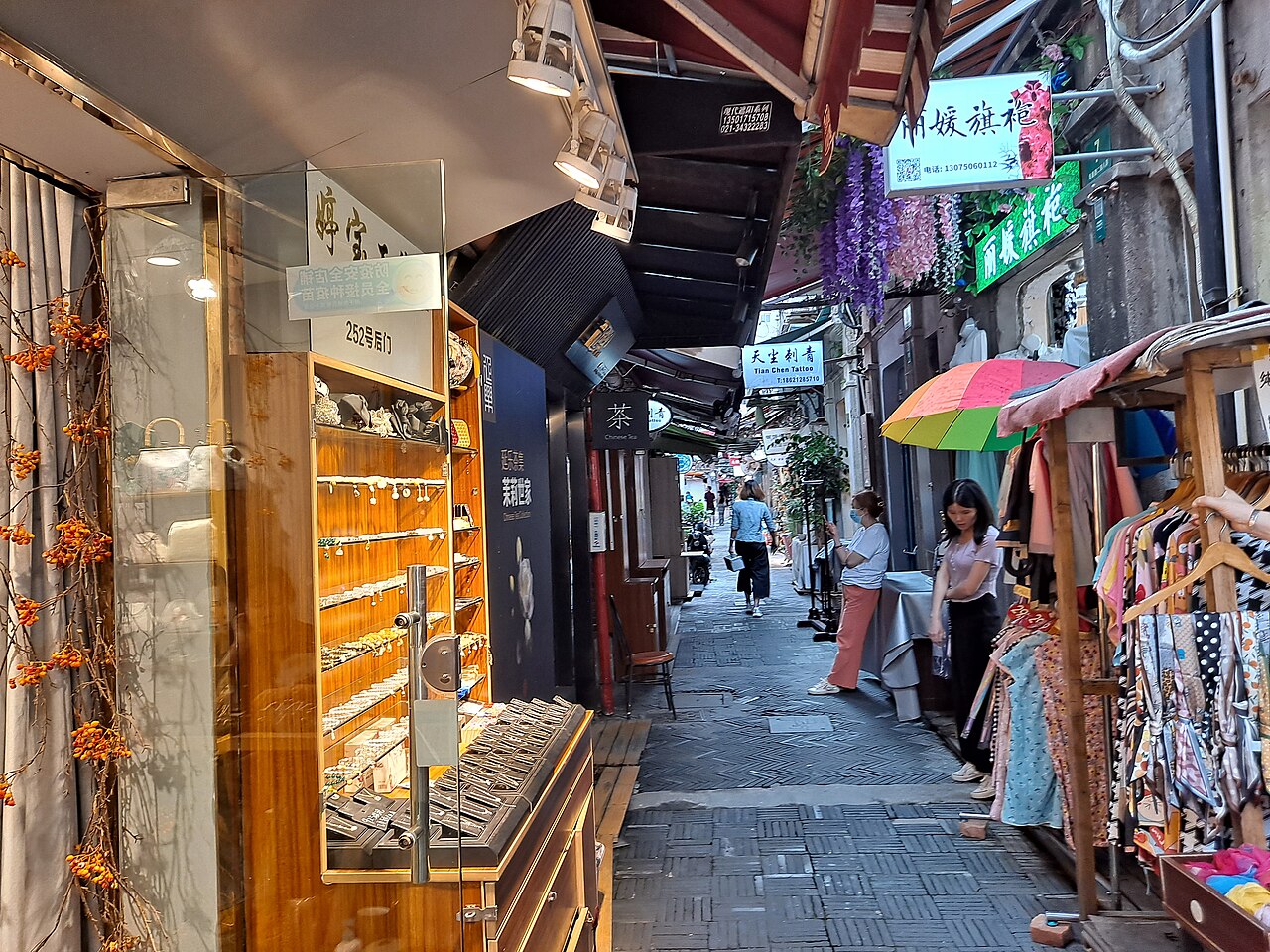
By the end of October the sun is down before 17:15, so the free afternoon in Shanghai is shorter than it sounds. If there is something you still want to see in the city, this is the day to say so.
Breakfast, lunch
Ocean Hotel Shanghai
Day 11 · 1 November · Shanghai → Dubai
DAY 11Shanghai — free time, and the flight home
The day is yours until the transfer. EK303 leaves Pudong at 23:00, so there is a full day to use — the Shanghai Museum, the former French Concession, Tianzifang, or simply the Bund again in daylight, which is a different place from the one you saw at night.
The transfer to Pudong is timed around the flight. Allow for the traffic; the airport is a long way out.

If you have a half-day and cannot decide, the Shanghai Museum on People’s Square is free, indoors, and holds the best collection of Chinese bronzes and ceramics anywhere in the country. In late-autumn drizzle it is the obvious answer.
Breakfast
On board
Day 12 · 2 November · Dubai → Rio de Janeiro
DAY 12Home
EK247 leaves Dubai at 08:05 and reaches Rio de Janeiro at 15:55. Breakfast is served on board.
We hope the twelve days leave you something worth keeping. China is a great deal larger than this corner of it, and we would be glad to show you the rest.
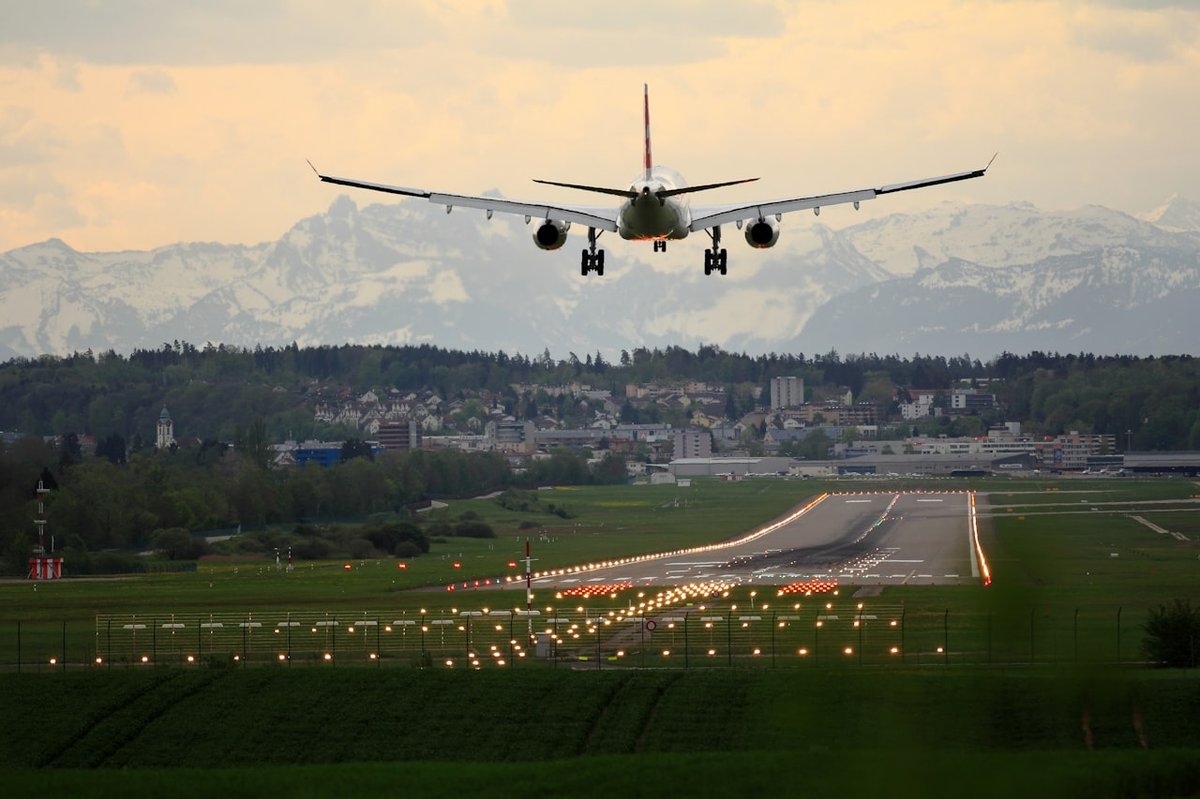
You cross eleven time zones westward, which is the easier direction. Arriving in the afternoon and staying up until a normal bedtime is the fastest way to reset.
Breakfast on board
—
What your tour price covers
Included
- International flights — Round-trip Emirates economy: EK248 Rio–Dubai, EK302 Dubai–Shanghai Pudong, EK303 Shanghai Pudong–Dubai, EK247 Dubai–Rio, with airport taxes
- Guiding — English-speaking guide throughout China
- Transport — Private coach, transfers, and a second-class high-speed rail ticket Nanjing–Hangzhou
- Accommodation — Nine nights, twin share, ten twin rooms for the group
- Meals — 8 breakfasts, 8 lunches, 6 dinners as marked
- Sightseeing — Entrance for every named site: Oriental Pearl, Yu Garden, Huangpu night cruise, Shantang Street, Suzhou Museum, Grand Canal cruise, Three Kingdoms City, Lingshan Grand Buddha and Nianhuawan, Daming Temple, Slender West Lake, Sun Yat-sen Mausoleum, Niushou Mountain, West Lake and Leifeng Pagoda, Songcheng performance, Wuzhen East and Xitang Ancient Town
- Health screen — Xinhua / Renji Hospital check-up on Day 3
- Hot spring — the garden hot spring at the Yangzhou hotel, Day 6 evening
Not included
- Chinese visa fees and documentation costs
- Travel and medical insurance (strongly recommended)
- Meals not listed — dinners on Days 7, 8 and 10; meals on Days 1, 11, 12 other than on board
- Single supplement (tour priced on ten twin rooms)
- Personal expenses — laundry, minibar, telephone, paid TV, shopping
- Optional activities not named in the itinerary
- Force majeure — weather, flight delay, scenic-area closure
| Where you stay | Reference hotels |
|---|---|
| Night 1 | On board EK248 / EK302 |
| Nights 2–3 | Ocean Hotel Shanghai — four-star, on the river |
| Night 4 | Lizhen Villa, Shantang Street (Garden Culture), Suzhou |
| Night 5 | Nianhuawan Inn, Wuxi (inside the resort town) |
| Night 6 | Slender West Lake Hot Spring Resort, Yangzhou |
| Night 7 | Novotel Nanjing Xuanwu Suning |
| Night 8 | Radisson Blu Hangzhou Qiantang |
| Night 9 | Crowne Plaza Wuzhen |
| Night 10 | Ocean Hotel Shanghai |
| Night 11 | On board EK303 / EK247 |
Booking notes
Booking
- Fixed departure: 22 October – 2 November; group of twenty in ten twin rooms
- English-speaking guide throughout China
- Two retail-attached visits (Silk Museum, Treasure Experience Hall) — no forced shopping, no minimum spend, no pressure of any kind
- Day 3 medical centre session runs approximately three hours; details supplied at booking
- Passport details required for every traveller (flights, hotels, real-name ticketing)
- Sequence and timings may be adjusted by your guide for traffic, weather or capacity; all named sightseeing delivered wherever conditions allow
Before you go
- Weather: 12–22°C, humid, good chance of rain — best travelling month; bring layers, waterproof, comfortable shoes
- A great deal of walking; the mausoleum is 392 steps. Nothing technical, days are long
- Mobile payment dominates — set up Alipay / WeChat Pay with a foreign card before leaving; carry a little cash for the water towns
- Some apps and sites are not reachable on Chinese networks; arrange roaming or a travel eSIM first
- Carry your passport at all times — hotel check-in, high-speed rail, real-name ticketing
- Delta cooking is mild, sweet, heavy on freshwater fish — tell your guide about allergies at the start
💬 Falar no WhatsApp (PT)
Program fee $4,300 · after booking, fill in your details and sign to receive the payment confirmation.